

What is an abdominal aortic aneurysm?
An abdominal aortic aneurysm (AAA) is a permanent dilation of the abdominal aorta, the main blood vessel supplying the lower body. AAAs often cause no symptoms, but rupture can result in severe internal bleeding and is a medical emergency. AAA is commonly detected through ultrasound imaging.
AAA screening in Scotland
In Scotland, the national screening programme coordinated through NHS Scotland offers a one-time ultrasound scan to men at age 65. Women are not routinely invited for population AAA screening.
Why are women not included in routine screening?
This policy is based on population-level evidence rather than individual clinical risk. AAA is less prevalent in women, major screening trials included men only, and universal screening of women has not met cost-effectiveness thresholds. This does not mean women cannot develop AAA.
What is known about AAA in women.
When women develop AAA, rupture may occur at smaller diameters, diagnosis may be delayed, and outcomes after rupture are often poorer. Individualised assessment is therefore important.
Which women may benefit from assessment?
Assessment may be appropriate for women with a history of smoking, family history of AAA, hypertension, cardiovascular disease, or unexplained abdominal or back pain with vascular risk factors.
Diagnostic ultrasound at The Cademuir Clinic.
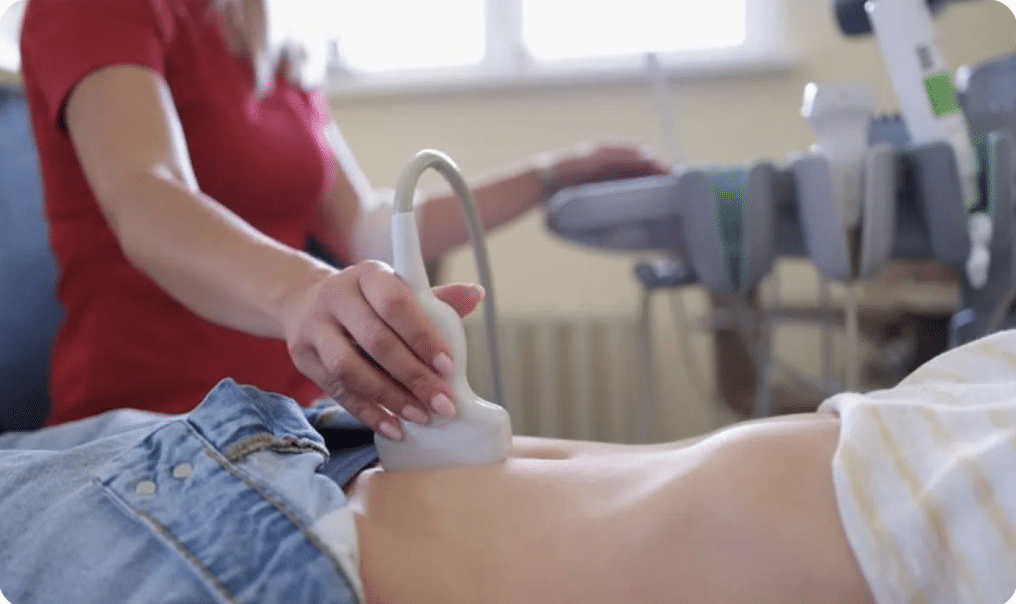
The Cademuir Clinic provides clinically indicated diagnostic abdominal ultrasound, including assessment of the abdominal aorta following appropriate consultation. Scans are non-invasive, involve no radiation, and results are clearly explained.
Where abnormalities are identified, appropriate advice and referral are provided.
Making an informed decision Not everyone requires imaging. Decisions are made through clinical assessment and shared decision-making.
Key points
National screening applies to men aged 65. Women are not routinely screened, but AAA can occur. Individual risk assessment matters.
Professional and Ethical Statement
This information is provided for general educational purposes only and does not constitute personal medical advice. Any investigations offered by The Cademuir Clinic are based on individual clinical assessment and shared decision-making.
The Cademuir Clinic does not seek to replace NHS services.
Where appropriate, patients are advised to access NHS care or are referred to relevant NHS or private specialists.
No claims are made regarding superiority of services or outcomes.
All clinicians practise in accordance with GMC guidance, including Good Medical Practice (2024) and ethical standards relating to communication, consent, and advertising.